How we learn


At St Andrew's, we seek to instil four key learning attributes alongside our school values. These attributes are regularly celebrated, modelled and explained by our staff. They cover the wide range of learning that is applied and expected in lessons and through our school curriculum. Alongside with our school values, it is our belief that as children develop these attributes, they will be prepared for future success.
The following gives some examples of how children learn during their time at St Andrew's School and Nursery. There are a multitude of strategies our teachers apply to enable our children to learn, but this provides an idea of what children will experience on a daily basis during their time in school.
Modelling
Our teachers model what they want children to learn. When explaining a process, this will be shown precisely on the whiteboard or via a visualiser. Our teachers use meta-cognitive talk by describing and explaining the thought process when completing or working towards a task at the level our pupils are able to understand. We use success criteria so that pupils understand exactly what it is that they need to do to be successful.
Oracy
We use oral communication as the core of our teaching and learning. It is the most important skill pupils develop and secure during their time in St Andrew's.
Vocabulary - Developing children's vocabulary is essential for giving them the knowledge to achieve in our school curriculum. Our core curriculum vocabulary is discretely taught and regularly referenced. We use regular assessment in class to ensure that our pupils are developing the vocabulary required to apply their learning.
Listening - In every classroom, we have our school listening rules on display. Our children are taught to be good listeners, because we know how important this skill is for life and relationships.
Sentence stems - We use sentence stems to support children in articulating their ideas, to build on the ideas of others
Talk tactics - During their time at St Andrew's children are explicitly taught to develop high quality communication skills. Our teachers have participated in training in oracy and model and celebrate effective and deep communication.
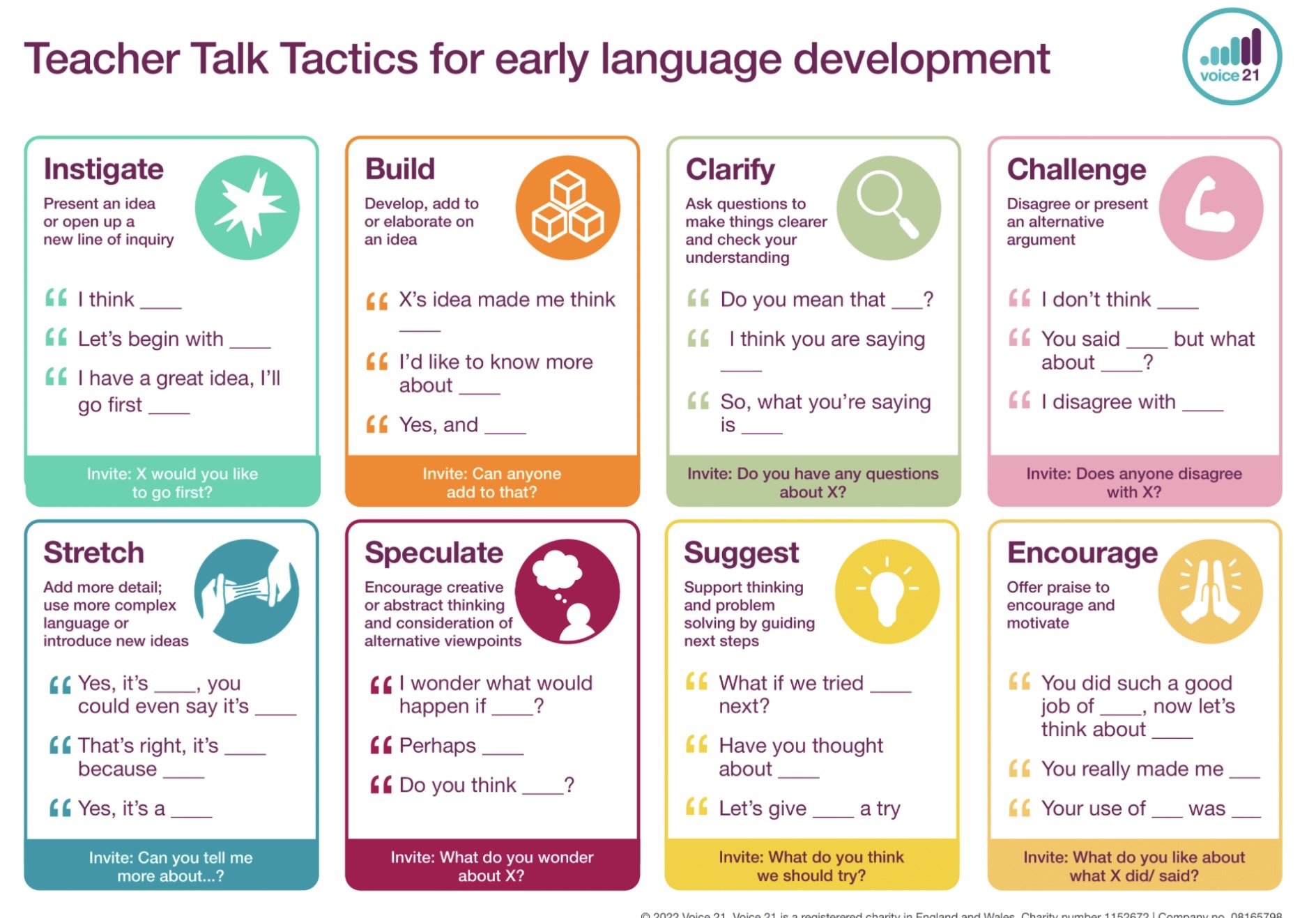
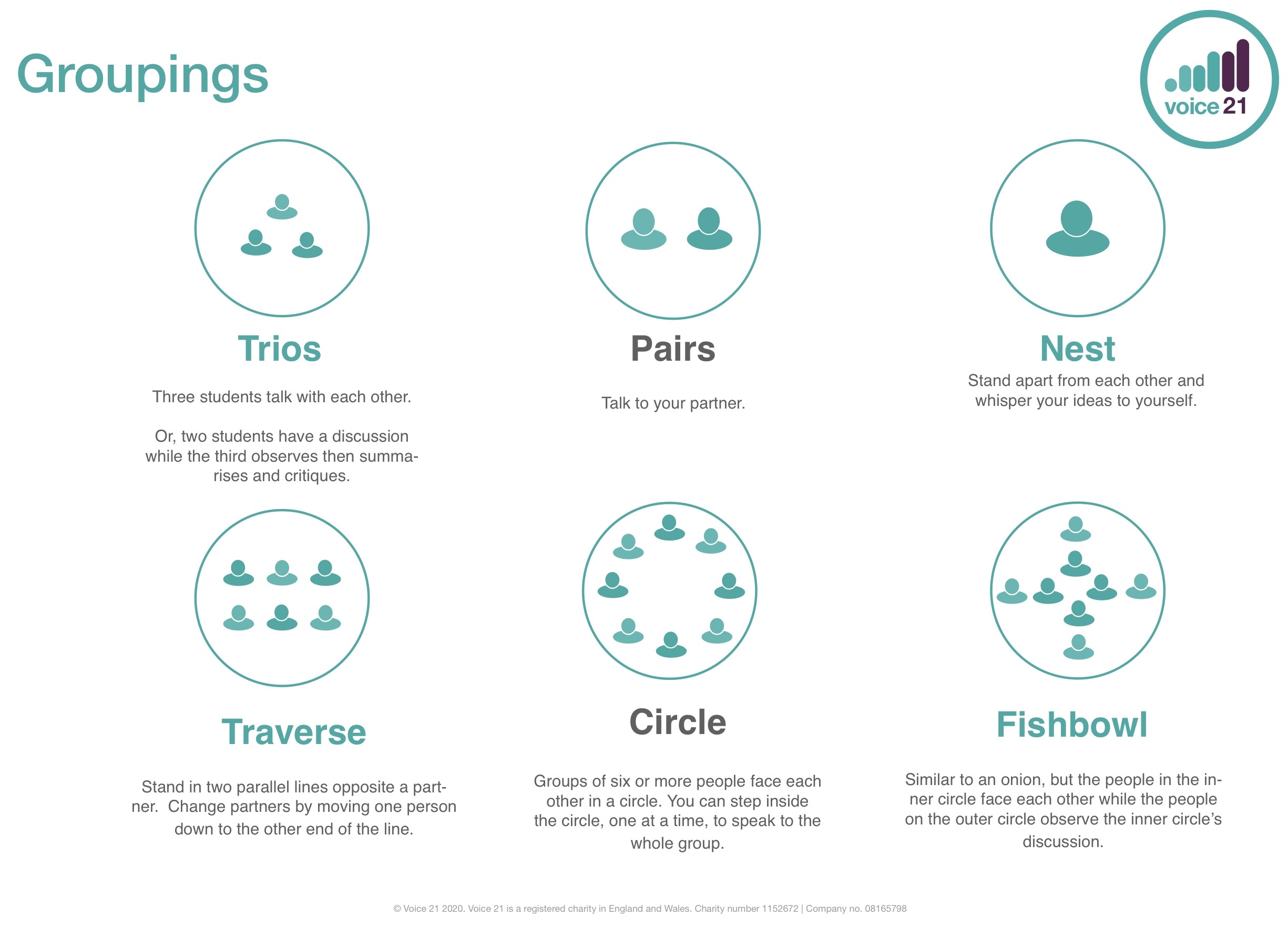
To embed oracy children will work in a range of groupings this enables them to develop the thinking and communication strategies they need to succeed and develops their own collaborative communication and application skills required for future success.
Outdoor learning
All of our pupils benefit from learning in our amazing outdoor space. This includes our incredible forest which is over an acre in size and has a wide range of flora and fauna to explore. Children in our young years (nursery, reception and year 1) have weekly forest school sessions. Children from year 2 to 5 have scheduled forest school sessions once each half-term, where our forest school lead draws on their classroom studies to enrich and deepen their learning in this environment. Examples of this include cooking pottage in our fire pit during year 4's learning on The Stoneage. We also have two large playgrounds and a field. This space can often be seen used for chalking calculations and angles in maths or for role play.
All of our Early Years classrooms have dedicated outdoor learning spaces, so that the outdoors can be fully embedded within our early year's curriculum. We have planned a clear progression in these spaces to ensure that opportunities for collaboration, problem-solving and creativity become progressively more challenging by design. For example, our two year old water wall provides and simple one directional flow, in our old nursery room, changes can be made and the flow is multi-directional and in reception the basics are there, but pupils use the resources to develop their own aqueducts and routes.
Independent Practice
Pupils need to apply their developing skills and knowledge independently. As pupils become independent, support is removed to allow them to apply their skills and knowledge with a greater degree of independence. This then enables us to identify what they can achieve and through clear assessment, plan for their next steps.
Adaptive teaching
Our teachers ensure that high quality adaptations are made to enable our pupils to access, and be challenged by, their learning. We have a shared understanding of what that adaptive practice looks like. We utilise assessment to ensure that lessons are appropriately pitched and put scaffolding in place to enable inclusion. Our teachers provide clear and precise instruction and utilise the other strategies outlined here to allow our learners to thrive.
Curriculum enrichment
Regular enrichment is a strong feature of our curriculum. The curriculum is brought to life using artefacts and resources and through trips and visits. For further information on the visits we organise please visit Personal Development
Our teachers engage in regular professional development. Each year, we evaluate our priorities to improve teaching and learning and this forms the basis of our school development plan. Our teachers engage in coaching through resources such as walk-thrus, the National College, The Education Endowment Foundation, The Chartered College of Teaching and projects run by Worcester Local Education Authority. Through regularly monitoring our practice and developing our staff we enable our teachers to educate in a way that is effective for our pupils.